
John 6: 51-58
John’s meditation on the Eucharistic Teachings of Jesus, spelt out in the Synagogue in Capernaum, comes after the Lord Jesus has fed 5000 and cured many people of their diseases. The crowd / the Jews, proclaim Jesus is indeed a Prophet, a Royal Messiah: for Jesus is not of the Priestly Tradition.
After the miracle of the loaves and fishes, he introduces the theme of the real food for the journey being his sacrificial body and blood: repugnant to the Jews because they don’t drink blood, they also know his parentage is from Nazareth.
However, Jesus speaks clearly and with authority that he is the living bread, his flesh is real food, not like the food their ancestors ate in the desert, for they died. Those who eat this food, the bread of life, will never die, and will be raised up to eternal life. 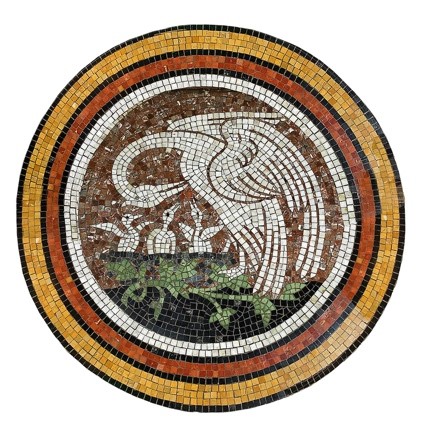
The bread from Heaven is Jesus’ flesh sacrificed on Calvary Hill for the life of the world. As the living Father is the source of Jesus’ redemptive life, so Jesus is the source of life for those who eat of him.
‘Stay with us’ the shaken disciples plead, as they reach Emmaus. The Lord Jesus agrees to stop over with them. It is in ‘the breaking of bread’ that they recognise him, before he vanishes from their sight.
Our brother Thomas Aquinas, was asked by Pope Urban IV in 1264 to compose some liturgical texts for the Mass and the Divine Office, for the Feast of Corpus Christi. The lyrics celebrate the real presence of the body and blood of the Lord in the Eucharist.
The words, the sentiments, behind these beautiful hymns are attributed to Thomas’ faith and his theological wisdom. He was a mystic, asking for a living knowledge of God. His life was that of prayer and contemplation.
Words such as these ‘Down in adoration falling, this great Sacrament we hail’ and ‘Sing tongue, the mystery of this glorious body’, expressing thankfulness for the gift of presence.
‘‘Sion lift thy voice and sing’, explains that participating regularly in the Eucharist changes our lives. ‘Sacred Solemnity’ spells out Thomas’ amazement at how the all powerful lends himself to become food for his followers, the poorest included. Another ‘O saving victim open wide the gate of Heaven to us below’. ‘Devoutly I adore Thee O Godhead here in hiding’. All five Hymns reveal the profound insights of the ‘Angelic Doctor’.
This short prayer of St Thomas Aquinas reflects his aspirations, ‘Jesus, whom I now behold veiled, I ask you to grant what I so thirst for: that I may see your face unveiled and that the sight of your glory may be my bliss’.
I have chosen the pelican as a symbol for today’s reflection. This beautiful tile/mosaic lies in the Sanctuary of St Mary’s, the Claddagh, Galway. We know the story of ‘Pie Pellicane’. In times of drought the pelican slits open its breast to feed its young with its own life blood.
Catherine Campbell OP