

Vicky Villaverde, OP
2nd Sunday of Lent – 16th March 2025
Genesis 15:5-12, 17-18
Abran es conocido como el padre de la fe para varios pueblos. Es uno de los primeros patriarcas, del antiguo testamento, su vida fue de un constante peregrinar, con la esperanza puesta en las promesas de Dios de poseer una inmensa descendencia, gracias a la fe que lo guiaba, continuo caminando sin saber a dónde iba ir.
Psalms 27:1, 7-8, 8-9, 13-14
El salmo describe a Dios como luz. Para el pensamiento griego, la luz es símbolo de conocimiento y entendimiento, es decir de sabiduría.  En gran parte del Antiguo Testamento la luz se asocia a la vida, por eso Dios es llamado luz porque da la vida y la salvación.
Philippians 3:17-4:1 Or Philippians 3:20-4:1
Pablo escribió numerosas cartas a las distintas comunidades cristianas de su época. Con su nombre se conservan trece cartas, pero solo siete son reconocidos como auténticas, y las demás fueron escritas por sus discípulos. El objetivo de las cartas fue enseñar y orientar a los cristianos de su época, respondiendo a sus inquietudes, animándoles a orar incesantemente y con fe, dándoles consejos para las familias, Explicarles el propósito de Dios, Fortalecerlos y darles ánimo.
Luke 9:28B-36
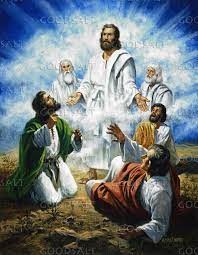 Este texto del evangelio tiene muchos elementos, “palabras” escritos en una época diferente, voy a explicar tres palabras mas significativas:
La palabra – Transfiguración – viene de raíz latina, la primera parte de la palabra: “tras” indica “a través”; y la segunda parte “figura” señala la “forma”. Por lo tanto los discípulos pudieron ver a través de otros medios y de otra forma a Jesús.
Montes- en varios relatos bíblicos los mencionan, porque allí sucedieron hechos de importancia en la historia. Es un símbolo asociado a la salvación de la humanidad.
Carpas, los primeros pueblos eran nómades, andaban por el desierto sin un lugar fijo. Pero había una carpa que se realizaba con materiales especiales, al que llamaban “carpa del encuentro” era el lugar donde se encontraban con Dios. Es importante conocer el origen de las palabras y los símbolos que se usaban para relatar los acontecimientos importantes y así poder comprender mejor el texto y entender como relataban los pueblos en esa época. Que Dios nos ayude a comprender su palabra y a poder actualizarla en nuestras distintas realidades.
2nd Sunday of Lent – 16th March 2025
Genesis 15:5-12, 17-18
Abraham is known as the father of faith for several people. He is one of the first patriarchs of the Old Testament. His life was a constant pilgrimage, with his hope placed in the promises of God that he would possess immense offspring, thanks to the faith that guided him.
Psalms 27:1, 7-8, 8-9, 13-14
The psalm describes God as light. For Greek thought, light is a symbol of knowledge and understanding, that is, of wisdom. In much of the Old Testament light is associated with life, that’s why God is called light because God gives life and salvation.
Philippians 3:17-4:1 Or Philippians 3:20-4:1
Paul wrote numerous letters to the different Christian communities of his time. Thirteen letters are preserved with his name, but only seven are recognised as authentic, and the others were written by his disciples. The objective of the letters was to teach and guide the Christians of the time, responding to their concerns, encouraging them to pray incessantly and with faith, giving them advice for families, explaining the purposes of God, strengthening them and encouraging them.
Luke 9:28B-36
This gospel text has many elements, “words” written at a different time. Three of the more significant words are:
The word – Transfiguration – comes from the Latin root, the first part of the word: “after” indicates “through”; and the second part “figure” indicates the “form”. Therefore, the disciples were able to see Jesus through other means and in another way.
Mountains – In several biblical stories they mention them, because many events of importance in history happened there. The mountain is a symbol associated with the salvation of humanity.
Tents – The first peoples were nomads, they walked through the desert without a fixed place. But there was a tent that was made with special materials, which they called “tent of the meeting”. It was the place where they met God. It is important to know the origin of the words and symbols that were used to relate the important events and thus be able to better understand the text and understand how the people related to each other at that time. May God help us to understand his word and to be able to relate it to our different realities.