
(Readings: Jeremiah 31:7-9, Hebrews 5:1-6, Mark 10:46-52)

By Sr Columbia Fernandez OP
Today’s readings offer us a profound reflection on the nature of God’s love and our response to it. In the first reading from Jeremiah, we hear the prophet’s words of hope and consolation to the people of Israel, who are in exile and feeling abandoned by God. Jeremiah reminds them that God is a God of love and mercy, who will gather them from the ends of the earth and bring them back to their homeland. Here we are reminded of our present day situation of Refugees. If we compare Jeremiah 31:7-9 to this situation, we can draw some parallels:
- Just as Israel was once scattered and helpless, many refugees today find themselves displaced, struggling to survive, and searching for safety and hope.
- The passage speaks of Yahweh doing great things for Israel and gathering the scattered ones from everywhere. Similarly, many organizations, governments, and individuals are working to provide aid, support, and protection to refugees, reuniting families, and helping them rebuild their lives.
- The joy and jubilation mentioned in the passage can be seen in the resilience and hope exhibited by many refugees, who despite facing incredible hardships, continue to hold onto their faith, culture, and identity.
However, it’s also important to acknowledge the vast differences between the two situations. The biblical passage is speaking about a specific moment in Israel’s history, whereas the refugee crisis is a complex, ongoing issue that requires sustained effort and collaboration from governments, NGOs, and individuals.
The key verse that stands out is Jeremiah 31:8, where God says, “See, I will bring them from the land of the north and gather them from the ends of the earth. Among them will be the blind and the lame, the pregnant woman and the woman in labour; a great throng will return.” This verse speaks of God’s desire to gather all people, regardless of their physical or spiritual limitations, and bring them back to himself.
In the second reading from Hebrews, we are reminded of the importance of faith and perseverance in our spiritual journey. The author of Hebrews writes, “No one takes this honour upon himself but only when called by God, just as Aaron was.” (Hebrews 5:4) This verse highlights the importance of humility and recognizing that our spiritual growth and development are not solely dependent on our own efforts, but rather on God’s call and grace. 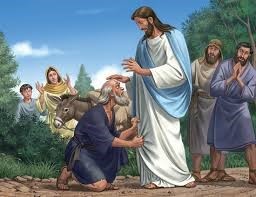
The Gospel reading from Mark presents us with the story of Bartimaeus, a blind beggar who cries out to Jesus for healing. Despite the crowd’s attempts to silence him, Bartimaeus persists in his plea, and Jesus responds by calling him and restoring his sight. This story illustrates the power of faith and perseverance in seeking God’s help and healing.
As we reflect on these readings, we are reminded that God’s love is not limited to those who are physically or spiritually whole. Rather, God’s love extends to all people, regardless of their circumstances. We are called to respond to God’s love with faith, perseverance, and humility, recognizing that our spiritual growth and development are dependent on God’s grace and call.
In our own lives, we may feel like Bartimaeus, crying out for healing and help in the midst of our struggles and challenges. We may feel like the exiled people of Israel did, feeling abandoned and forgotten by God. But today’s readings remind us that God is always present, always loving, and always calling us to himself.
As we journey through life, let us remember to persevere in our faith, to seek God’s help and healing, and to respond to his love with humility and gratitude. May we, like Bartimaeus, experience the transformative power of God’s love and be restored to spiritual sight, seeing the world and ourselves through the eyes of faith.
May God bless us and guide us on our spiritual journey, and may we always remember that we are loved, we are valued, and we are called to be children of God.
Further Reflection:
- Reflect on God’s love and mercy: Take time to reflect on God’s love and mercy in your life. Think about the ways in which God has shown you kindness, forgiveness, and compassion. How can you respond to God’s love and mercy in your daily life?
- Recognize God’s call: Take time to reflect on God’s call in your life. What is God calling you to do? What gifts and talents have God given you, and how can you use them to serve others?
- Cry out to God: Just as Bartimaeus cried out to Jesus for healing, we can cry out to God in our times of need. Don’t be afraid to ask God for help, healing, and guidance in your life.